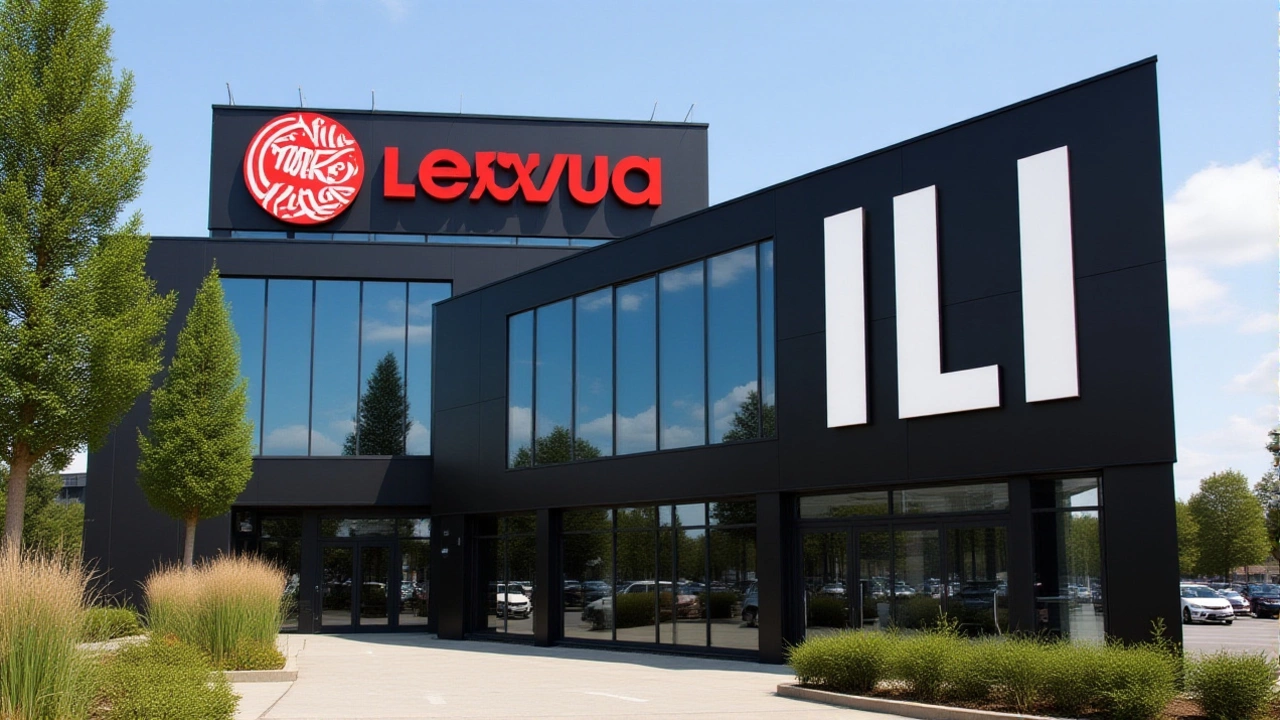
On November 24, 2025, Italy became the latest European government to draw a line in the sand over Chinese tech expansion — approving JD.com’s $2.5 billion bid for German electronics giant Ceconomy AG, but only if it gives up control of the iconic MediaMarkt and Saturn brands in Italy. The move, issued by Rome’s cabinet under its "golden power" law, isn’t just about retail. It’s about sovereignty. And it signals a new reality: even the biggest global players must play by local rules.
Why Italy Said "Yes, But..."
Italy’s approval didn’t come easy. The government used its "golden power" legislation — a legal tool designed to protect national interests in critical sectors — to impose a non-negotiable condition: JD.com must sell off its stake in the Italian operations of MediaMarkt and Saturn, which operate under the local brand name MediaWorld. That’s not a minor tweak. Those 130+ stores across Italy are more than retail outlets; they’re trusted household names, generating over €1.2 billion in annual sales locally. Allowing a Chinese firm to control them outright raised red flags about data flows, supply chain control, and even consumer influence."It’s not about distrust," said one anonymous Italian minister familiar with the deliberations. "It’s about ensuring that when Italians walk into MediaWorld, they’re buying from a company that answers to European law, not Beijing’s regulatory framework."
JD.com, operating under its Hong Kong ticker JD-SW (09618.HK), will still acquire at least a 31.74% stake in Ceconomy AG, the Düsseldorf-based parent company that runs MediaMarkt and Saturn across 13 European countries. But in Italy, the brands must remain under non-Chinese ownership. The exact buyer hasn’t been named — and the Italian government hasn’t disclosed the "unspecified prescriptions" beyond this requirement. That secrecy fuels speculation: Are other operational controls being imposed? Is there a firewall on customer data? Will JD.com be barred from integrating MediaWorld’s inventory with its own logistics network?
Market Skepticism and Financial Fallout
While the deal cleared Italy’s hurdle, Wall Street and Hong Kong weren’t cheering. Financial services firm Nomura Holdings Inc. immediately lowered JD-SW’s target price and slashed its revenue and profit forecasts for the next fiscal year. The message? This acquisition is expensive, complex, and potentially dilutive.Analysts point out that JD.com is paying $2.5 billion for a company whose market cap had hovered around $2 billion before the offer. Ceconomy’s profits have been shrinking since 2022, pressured by online competition and rising logistics costs. The German retail chain hasn’t posted a net profit since 2021. So why buy it? The answer lies in infrastructure. MediaMarkt’s 500+ stores across Europe offer JD.com a physical foothold it’s never had — a way to bridge its online dominance in Asia with offline retail in Europe.
But the numbers don’t lie. As of November 28, 2025, JD-SW (09618.HK) carried a short-selling position of $183.19 million — nearly 17% of its float. That’s not just betting against the stock. It’s betting against the strategy.

Europe’s New Red Line on Chinese Investment
This isn’t an isolated case. France blocked a Chinese bid for a semiconductor startup last year. Germany tightened scrutiny on tech acquisitions after the 2023 purchase of a robotics firm by a Shanghai-backed fund. Italy’s move is the most visible yet because it targets a consumer-facing brand with deep cultural roots.The Economic Times noted that European concerns are amplified by U.S. tariffs on Chinese goods — raising fears that goods bought by JD.com could be rerouted through European warehouses to bypass American duties. That’s a national security issue in Washington’s eyes, and Europe is now feeling the heat.
Italy’s "golden power" law, first enacted in 2012 and expanded in 2019, has been used 17 times since 2020 — mostly to block or restrict foreign takeovers in energy, telecom, and defense. But this is the first time it’s been applied to consumer electronics retail. That sets a precedent. If Italy can demand brand separation, so can Spain, Portugal, or even the Netherlands.
What’s Next? The Clock Is Ticking
No timeline has been officially given for closing the deal. But industry insiders say JD.com must satisfy all conditions by March 31, 2026 — or risk losing the right to acquire Ceconomy altogether. The company has 90 days to submit a divestiture plan for MediaWorld. That’s not a lot of time to find a buyer, negotiate terms, and get regulatory sign-off — especially since any potential buyer will likely demand a steep discount, knowing JD.com is under pressure to exit.Meanwhile, JD.com’s rivals are watching closely. Alibaba Group Holding Ltd. has quietly expanded its logistics footprint in Poland. Amazon.com Inc. is accelerating its warehouse construction in Romania. The European retail battlefield is shifting — and JD.com’s gamble may have just gotten a lot harder.

Why This Matters to You
If you shop at MediaWorld, your local electronics store might soon look different. New ownership could mean different return policies, product selections, or even pricing. If you invest in Chinese tech stocks, this deal is a warning sign: global expansion isn’t just about money anymore. It’s about politics, perception, and permission.Frequently Asked Questions
Why did Italy force JD.com to sell MediaWorld?
Italy invoked its "golden power" law to prevent foreign control over retail brands with deep consumer trust and significant market influence. MediaWorld generates over €1.2 billion annually in Italy and is seen as a national retail icon. Allowing JD.com to own it outright raised concerns about data privacy, supply chain manipulation, and potential rerouting of goods to evade U.S. tariffs. The government demanded separation to preserve local economic autonomy.
How does this affect JD.com’s global strategy?
JD.com’s goal was to use Ceconomy’s physical stores as a bridge into European markets, countering Amazon and Alibaba. But losing MediaWorld in Italy — its most profitable European market — weakens that plan significantly. Without retail control, JD.com can’t fully integrate logistics or customer data. Analysts now question whether the $2.5 billion price tag is worth the limited access it provides.
What’s the timeline for finalizing the deal?
Though not officially stated, industry sources say JD.com must complete all conditions — including finding a buyer for MediaWorld — by March 31, 2026. Failure to meet that deadline could void the agreement. The company has already begun discussions with potential buyers, but no formal offer has been made public. The complexity of the divestiture makes this a tight race against time.
Could other European countries follow Italy’s lead?
Absolutely. France, Germany, and Spain have all tightened foreign investment rules since 2020. Italy’s precedent — forcing brand separation in consumer retail — sets a powerful template. Any future Chinese bid for a well-known European retail brand, from electronics to home goods, will now face the same scrutiny. This isn’t just about JD.com; it’s about the future of Chinese retail expansion in Europe.
Why did Nomura lower JD-SW’s target price?
Nomura believes the acquisition will dilute JD.com’s profitability. Ceconomy has been unprofitable since 2021, and the cost of divesting MediaWorld in Italy may force JD.com to sell at a loss. Combined with rising logistics expenses and weak consumer demand in Europe, Nomura now forecasts a 12% drop in JD-SW’s 2026 earnings. The stock’s 17% short position reflects similar market doubts.
What does this mean for shoppers at MediaWorld?
For now, nothing changes. But over the next year, shoppers may see shifts in product selection, warranty policies, or loyalty programs as new owners take over. There’s also a chance prices could rise if the new owner lacks JD.com’s supply chain efficiencies. The biggest uncertainty? Whether the new owner will maintain the same service standards — or if the brand’s reputation as a trusted retailer begins to fade.